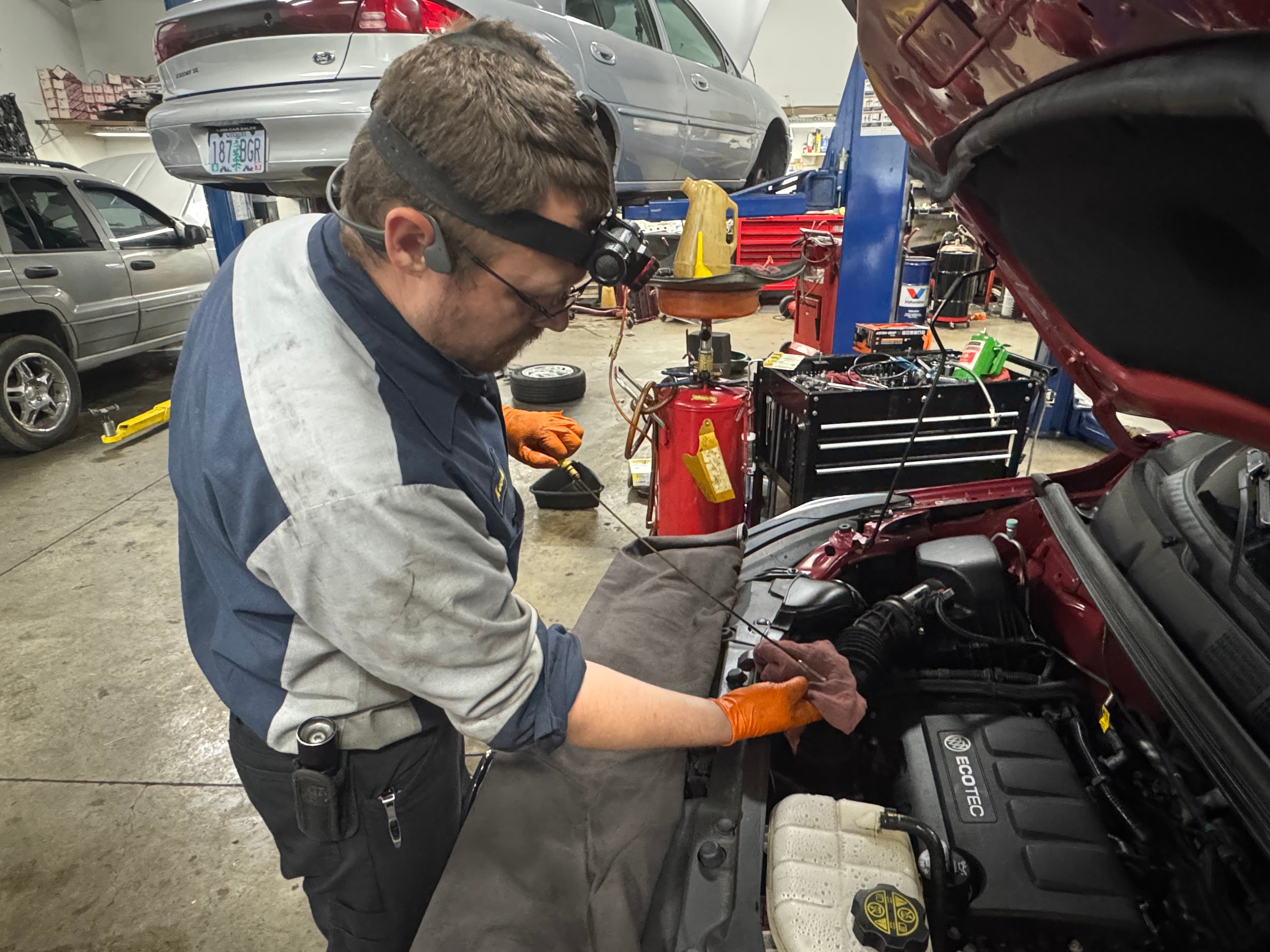
Car heater blowing cold air on a frosty morning? It’s often the first sign of a cooling system problem, not just a comfort issue. Learn the most common causes, from low coolant to a stuck thermostat, what you can safely check yourself, and when it’s time to have it looked at.
It's the first frosty morning of the season. You start the car, crank the heat, wait a few minutes, and the vents are still blowing cold air. Ten minutes into your commute down Tualatin-Sherwood Road, you're still waiting.
When your car heater is blowing cold air, it's tempting to treat it as a comfort problem and live with it until spring. Sometimes that's fine. But a heater that won't warm up is often the first visible sign of a cooling system problem, and the cooling system is what keeps your engine from overheating. Here's how your heater actually works, the most common reasons it stops, and what you can safely check yourself.
How Your Car Heater Works
Your car doesn't have a separate furnace. It borrows heat from the engine.
As the engine runs, coolant circulates through it and picks up heat. Some of that hot coolant gets routed to a small radiator behind your dashboard called the heater core. A blower fan pushes air across the heater core and out through your vents. A small door inside the dash, called the blend door, mixes hot and cold air to hit the temperature you've set.
So when the heat goes cold, the cause is usually one of three things: not enough hot coolant reaching the heater core, the heater core itself is blocked, or the air isn't being directed across it.
Why Is My Car Heater Blowing Cold Air? The Most Common Causes
1. Low Coolant
This is one of the most common causes, and it's the one that matters most. If coolant is low, there may not be enough to reach the heater core, especially at idle. And coolant doesn't just disappear. Low coolant almost always means a leak somewhere.
A recent example from our shop: a 2019 Audi Q5 came in after its owner added coolant and watched it end up on the driveway instead of staying in the system. Our technician Cory pressure tested the cooling system and traced the leak to a failed connection on a plastic coolant line assembly. Because that assembly branches to the radiator and several points on the cylinder head, he recommended replacing the connected sections, not just the piece that had separated. After the approved repair, he refilled the system, checked for leaks, and road tested the car. You can read the full case study in Following a Coolant Leak to Its Source.
2. A Thermostat Stuck Open
The thermostat controls when coolant flows to the radiator. If it sticks open, coolant gets cooled constantly and the engine never reaches its normal operating temperature. Common thermostat stuck open symptoms include a temperature gauge that sits lower than usual, a heater that's lukewarm at best, and worse fuel economy. It's often most noticeable on the freeway, when cold outside air keeps cooling everything down.
3. A Clogged or Leaking Heater Core
Over time, old coolant can leave deposits that clog the small passages in the heater core. Heater core symptoms to watch for:
- Heat that's weak even when the engine is fully warm
- A sweet, syrupy smell inside the car
- A greasy film fogging the inside of the windshield
- Damp carpet on the passenger side floor
Those last three point to a leak, not just a clog, and they're worth having looked at soon.
4. Air Trapped in the Cooling System
If the cooling system was recently opened for a repair or a top-off, an air pocket can get trapped and keep coolant from reaching the heater core. Many cars need a specific bleeding procedure to get all the air out. A gurgling sound behind the dash is a common clue.
5. A Blend Door or Actuator Problem
If the engine is warm, the coolant is full, and you still get cold air, the blend door may be stuck. Many modern cars use a small electric motor to move it. When that motor fails, you might hear clicking behind the dash, or notice one side of the car blowing warm while the other blows cold.
6. A Weak Water Pump
The water pump moves coolant through the engine and heater core. If it's wearing out, circulation drops, and the heater is often one of the first places you notice. Water pumps can also leak, which brings us back to low coolant.
Is It Safe to Drive With No Heat?
It depends on why there's no heat. A stuck blend door is an annoyance. Low coolant, a leak, or a failing water pump can lead to overheating, and overheating can do serious and expensive damage to an engine.
Perry Martin, director of operations, keeps his advice simple: keep an eye on the temperature gauge. Miss the warning there, he says, and drivers "start to see steam and hear knocking, and their vehicle will shut off." By then it's usually too late to avoid a bigger repair. If your gauge is climbing above normal, or a coolant warning light comes on, pull over safely and turn the engine off. Our guide on why a car overheats covers what to do next.
There's a visibility side to this too. In the Portland area, the defroster uses that same heat to clear a fogged-up windshield on a wet morning. No heat can mean you're driving without a clear view.
What You Can Check Yourself
A few safe checks before you call:
- Coolant level. With the engine completely cold, look at the coolant reservoir. If it's below the minimum line, that's useful information. Never open the radiator cap or reservoir on a hot engine. The system is under pressure and hot coolant can cause serious burns.
- The temperature gauge. Does it reach the middle like it normally does? If it stays low, that points toward the thermostat.
- Puddles. Look under where you park. Coolant is usually green, orange, pink, or blue and has a sweet smell.
- The cabin. Sweet smell, foggy film on the glass, or wet carpet all point to the heater core.
If the coolant is low, topping it off may get you heat for a while. Just know it's a short-term fix. The real question is where it went.
How a Cooling System Service Prevents This
Most heater problems start with the coolant. Over time, heat changes the chemistry of the fluid and it can become more corrosive to the parts it's supposed to protect. That's where clogged heater cores and leaking fittings come from.
That's why we recommend starting cooling system service around 30,000 miles, earlier than many manufacturer schedules, and why we look over hoses, belts, and fittings every time a car comes in. As Perry puts it, the goal is to catch a part that's "starting to show its age" so "it doesn't fail completely and dump all the coolant out on the highway." You can learn more about our cooling system service, and the Car Care Council has a good general overview of how the system works. For more habits that keep an engine healthy for the long haul, see our tips for preserving your engine.
Frequently Asked Questions
Why is my car heater blowing cold air at idle but warm while driving?
That's a classic sign of low coolant or air in the system. At higher engine speeds the water pump pushes enough coolant to reach the heater core. At idle it doesn't. Check the coolant level with the engine cold, and have the system checked for a leak.
How long should it take for my car heater to warm up?
In most cars you'll feel some warmth within a few minutes of driving, though it takes longer on very cold mornings. If it takes 15 minutes or more, or never really gets hot, the thermostat is a common suspect. (Wondering whether you should idle the car first? Here's what modern engines actually need on cold mornings.)
Can a bad thermostat cause no heat?
Yes. A thermostat stuck open keeps the engine running cooler than it should, so the coolant going to the heater core never gets fully hot.
How much does it cost to fix a car heater?
It depends on the cause. Topping off coolant and finding a small leak is a very different job than replacing a heater core, which is buried behind the dash on many cars. That's why we diagnose first and give you a written estimate before any work starts.
Should I drive with the heater on if my car is running hot?
Turning the heat to full can pull a bit of heat away from the engine in an emergency, but it's not a fix. If the gauge is climbing, pull over somewhere safe and turn the engine off.
Get Your Heat Back Before the Cold Settles In
The short version: when your car heater is blowing cold air, check the coolant first (with the engine cold), watch your temperature gauge, and pay attention to smells or fog inside the car. Low coolant means a leak, and a leak is worth finding before it turns into an overheating problem.
If your heat isn't keeping up this fall, we're happy to take a look. Schedule a visit with Sherwood Auto Repair in Tualatin, and we'll find the cause, show you what we found, and let you decide what happens next.
Ready to schedule your next service?
Our team is here to give you an honest assessment and expert repairs.
Schedule an Appointment